


Dev Journal #1: From Battle Chess to Chess Roguelike
Article posted on 10/14/2026
From Battle Chess to Chess Roguelike
How our little chess game turned into something quite different
It All Started With Chess
When we first started working on Empire in Decay, our idea was pretty straightforward: we wanted to make a chess game.
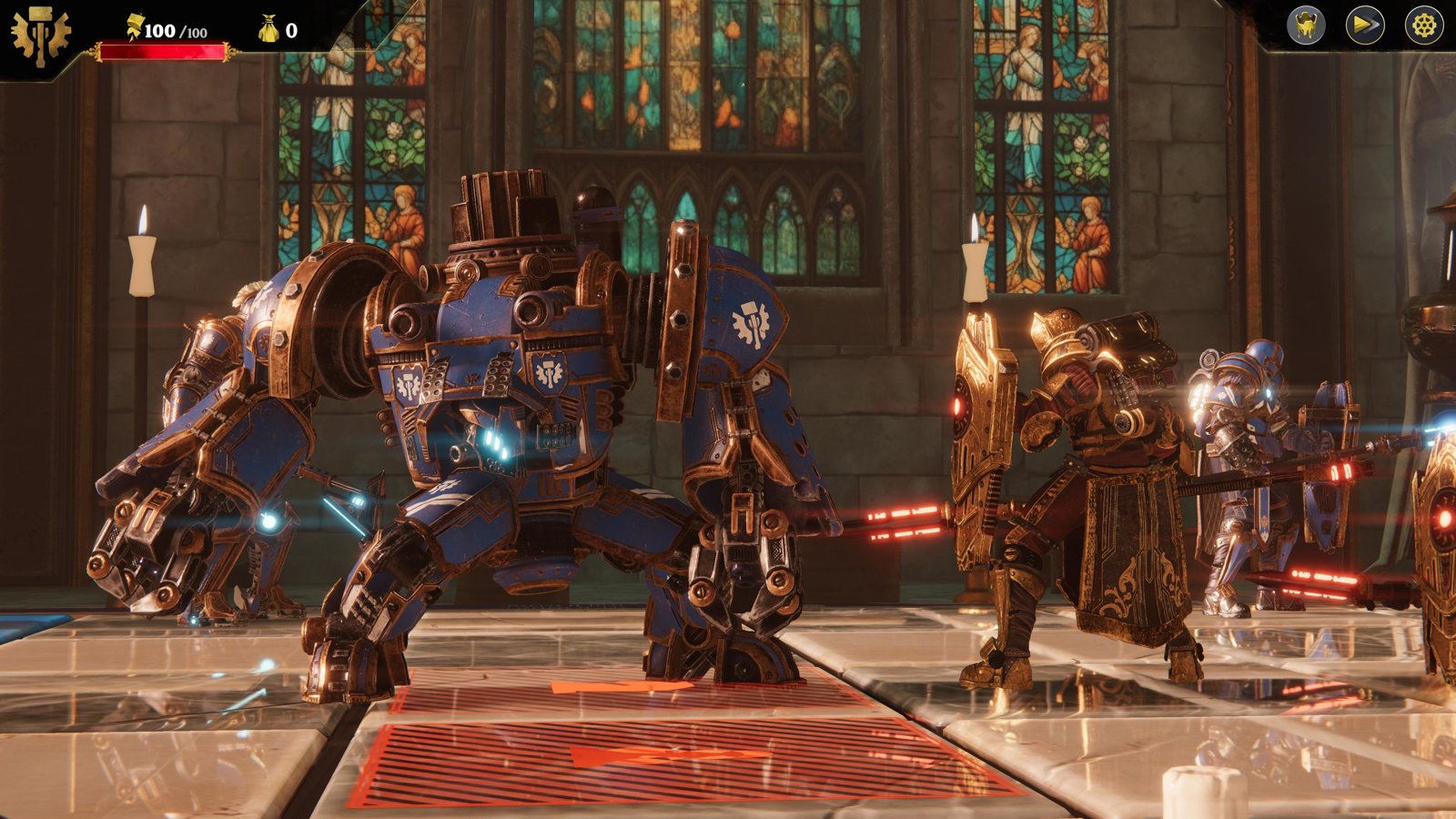
Not just any chess game, though. We were thinking of something along the lines of the classic Battle Chess, or the magical chess set from Harry Potter. A traditional chess game, with two complete armies facing each other, but with beautifully rendered 3D pieces that would come to life, move around the board, and fight each other with spectacular animations.
We also liked the aesthetics of miniature wargames such as Warhammer 40K or Warmachine, with their elaborate characters, fantastic creatures, and all those wonderful little details.
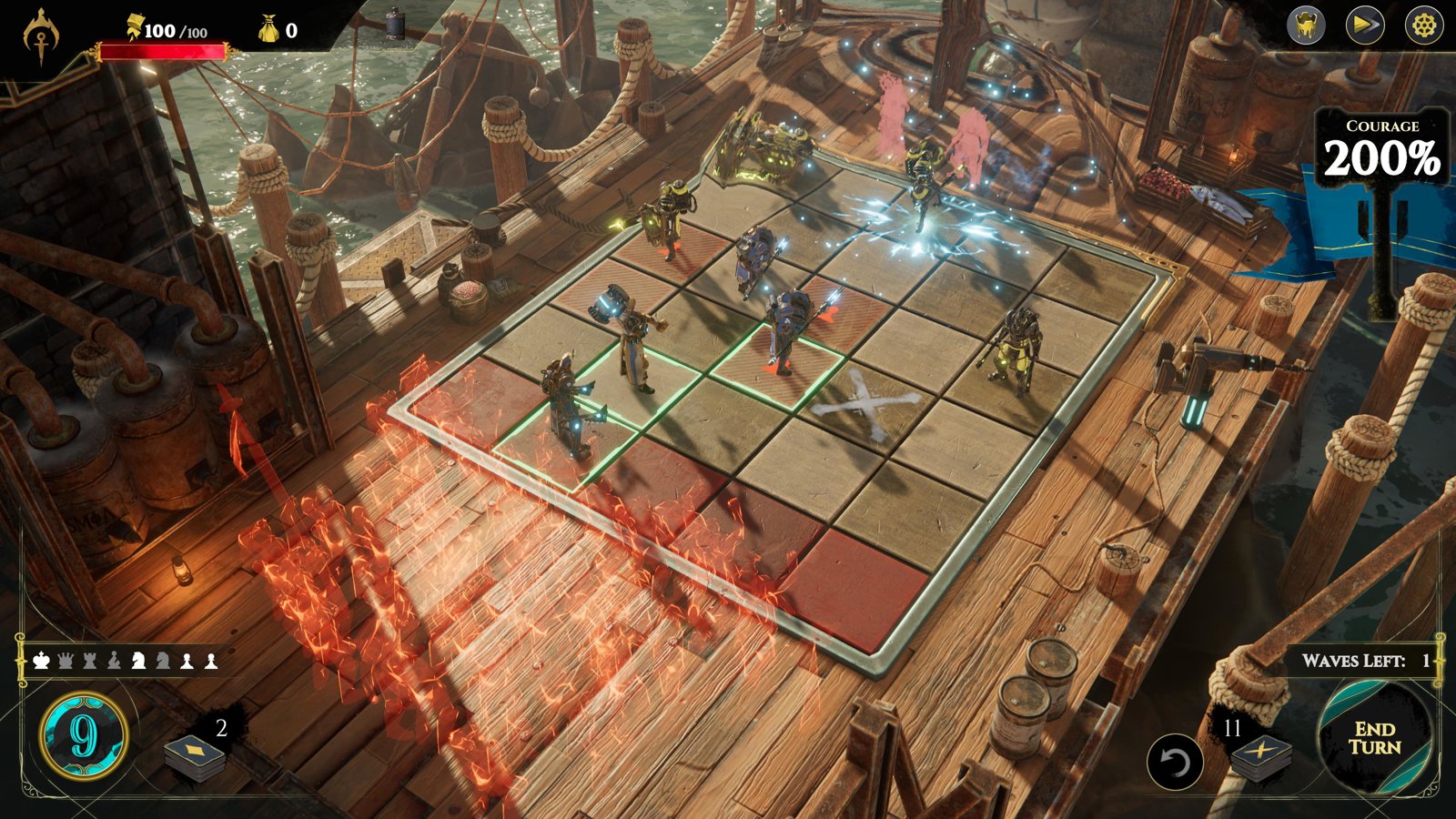
It sounded like a fun project, and for quite some time, that's exactly what we were working on, but I have to admit that I was never entirely convinced about its commercial potential.
I mean, who exactly were we making this game for?
Most chess players seem perfectly happy with a simple 2D board. They don't really need animated characters beating each other up every time they capture a piece. In fact, I suspected that many of them would probably turn those animations off after the first few matches!
And while I have very fond memories of Battle Chess, I wasn't sure how many people would actually be interested in playing something like that today.
It looked cool, and we certainly enjoyed working on it, but I kept feeling that something was missing.
What If We Could Break the Rules?
I've always been a big fan of board games, and two games in particular came to mind when we started thinking about how to make our chess game more interesting: Knightmare Chess and Onitama.
If you're not familiar with them, they're both worth checking out. They approach chess from very different angles, but what interested me was how they played with the familiar rules and movement patterns of traditional chess.
That got us thinking: what if we introduced cards that allowed players to bend or even break those rules?
What if you could move a piece in an unexpected way, perform a special action, or surprise your opponent with something that simply shouldn't be possible in a normal chess match?
And, since deckbuilding games were another genre we really enjoyed, why not take things a little further and let players build their own collection of cards?
That's how our first idea for a chess deckbuilder came about.
At that point, we were still thinking in terms of traditional chess matches, with two complete armies on the board. The cards would add new tactical possibilities, and we imagined different decks focused on mechanics such as mobility, offense, or defense, which players could gradually unlock as they progressed through the game.
We had no idea yet how far that concept would eventually take us.
But first, we needed to see whether it was actually fun.
Forty Cards and a Chessboard
Our first prototype was about as low-tech as you can imagine.
We bought a regular chessboard and printed around forty cards on cardstock. No artwork, no proper layout, nothing fancy. Just a description of what each card did, some blank space for notes, and a mana cost that, to be fair, we hadn't quite figured out yet.
We even put them in plastic sleeves. And yes, we still have those original cards!
Then a few of us got together at a café for lunch and spent some time playing our homemade chess-card-game-whatever-it-was.
And it was surprisingly fun!
While some of us played, others took notes. We discussed which cards worked, which ones seemed too powerful, what was confusing, and what new possibilities we could explore.
It was one of those lovely moments in game development when you have a very rough idea, put it on the table, and suddenly discover that there's something genuinely enjoyable about it.
Of course, the game was far from finished. Some mechanics didn't make much sense, others needed considerable tweaking, and the whole mana system was still rather vague.
But we had a great time experimenting, and that was encouraging.
Over the following weeks, we continued adjusting cards and trying new ideas. Eventually, we moved on to generic digital board-game prototyping tools, until our programmer was able to put together a very basic playable version of the game.
We could summon pieces, move them around the board, capture enemies, and play some of our cards.
Things were starting to take shape, but unfortunately, there was still one fairly important problem.

